
Low-Histamine Recipe Ideas
Recipe ideas for a low-histamine approach, with emphasis on freshly prepared foods and watch-outs for aged, fermented, or cured ingredients.
Recipes
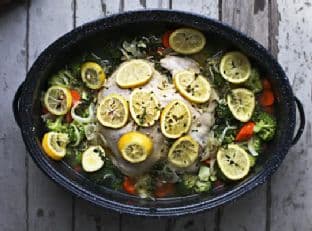
Whole Chicken Dinner
May be better tolerated with histamine intolerance when prepared with the watch-outs noted on this page.
- Freshness matters; avoid aged, fermented, cured, or long-stored ingredients.
View recipeRecipe from Foodista via Spoonacular
Attribution
Publisher credit: Foodista.com – The Cooking Encyclopedia Everyone Can Edit
Creative Commons Attribution 3.0 license means the publisher allows reuse when the recipe is credited.
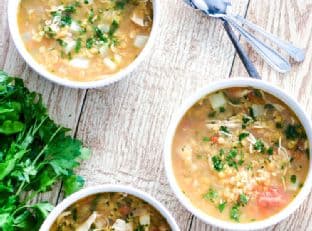
Red Lentil Soup with Chicken and Turnips
May be better tolerated with histamine intolerance when prepared with the watch-outs noted on this page.
- Freshness matters; avoid aged, fermented, cured, or long-stored ingredients.
View recipeRecipe from pinkwhen.com via Spoonacular
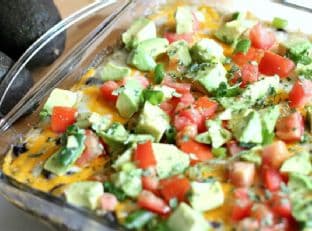
Cheesy Chicken Enchilada Quinoa Casserole
May be better tolerated with histamine intolerance when prepared with the watch-outs noted on this page.
- Freshness matters; avoid aged, fermented, cured, or long-stored ingredients.
View recipeRecipe from pinkwhen.com via Spoonacular
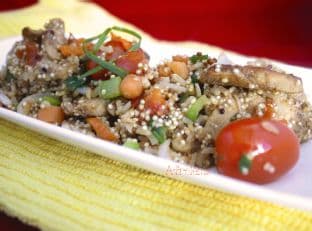
Stir Fried Quinoa, Brown Rice and Chicken Breast
May be better tolerated with histamine intolerance when prepared with the watch-outs noted on this page.
- Freshness matters; avoid aged, fermented, cured, or long-stored ingredients.
View recipeRecipe from afrolems.com via Spoonacular

Spinach Salad with Strawberry Vinaigrette
May be better tolerated with histamine intolerance when prepared with the watch-outs noted on this page.
- Freshness matters; avoid aged, fermented, cured, or long-stored ingredients.
View recipeRecipe from foodista.com via Spoonacular
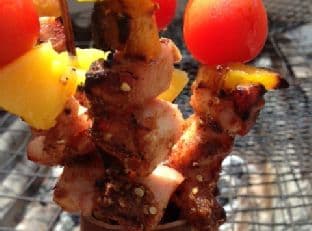
Chicken and Mango Skewer
May be better tolerated with histamine intolerance when prepared with the watch-outs noted on this page.
- Freshness matters; avoid aged, fermented, cured, or long-stored ingredients.
View recipeRecipe from Afrolems via Spoonacular
Attribution
Creative Commons Attribution 4.0 license means the publisher allows reuse when the recipe is credited.
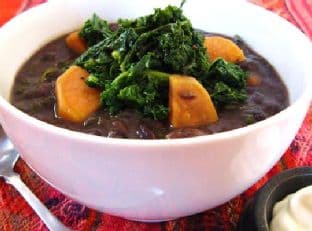
Smoky Black Bean Soup With Sweet Potato & Kale
May be better tolerated with histamine intolerance when prepared with the watch-outs noted on this page.
- Freshness matters; avoid aged, fermented, cured, or long-stored ingredients.
View recipeRecipe from foodista.com via Spoonacular

Greek Chicken Sheet Pan Dinner with Green Beans and Feta
May be better tolerated with histamine intolerance when prepared with the watch-outs noted on this page.
- Freshness matters; avoid aged, fermented, cured, or long-stored ingredients.
View recipeRecipe from Foodista via Spoonacular
Attribution
Publisher credit: Foodista.com – The Cooking Encyclopedia Everyone Can Edit
Creative Commons Attribution 3.0 license means the publisher allows reuse when the recipe is credited.
Low-Histamine Recipe Ideas
Evidence-reviewed
A low-histamine approach to dinner centers on freshly prepared foods and careful avoidance of aged, fermented, and cured ingredients that accumulate histamine over time. Individual tolerance varies widely, so start cautiously and track your own responses.
Fresh meat is generally easier to tolerate when prepared correctly. Chicken, turkey, beef, lamb, and pork are well-tolerated options when freshly purchased and cooked the same day or frozen immediately (per SIGHI). Avoid ground meat, which has greater bacterial surface area and higher histamine levels. Cook your protein plainly—grilled, baked, or roasted without marinades—to keep histamine levels low.
When ordering at restaurants, prioritize freshly prepared items. Request grilled or baked plain meat without marinades, freshly cooked fish (ask if it arrived fresh that day), and plain rice as your base (per SIGHI). This direct communication helps you avoid hidden fermented or aged ingredients.
Be cautious with cuisines that rely heavily on fermented and aged staples. Italian cooking often features aged cheeses like parmesan and pecorino, which accumulate histamine over their 12-36 month aging periods (per SIGHI). Indian cuisine incorporates fermented breads such as dosa and idli, made from fermented rice and lentils (per SIGHI). Japanese food presents particular challenges because fermented ingredients like soy sauce are foundational to nearly every dish (per SIGHI)—if eating Japanese food, request tamari-free preparation or broth-based dishes.
Eliminate all alcohol, fermented foods, aged foods, cured meats, and canned foods during an initial strict phase (per SIGHI). This means avoiding aged cheeses, cured meats, fermented condiments, and anything stored in ways that promote bacterial growth.
Your safest approach is to prepare meals at home using fresh ingredients cooked immediately. This gives you complete control over freshness and preparation methods. Keep a food and symptom diary to identify your personal triggers, as histamine sensitivity is highly individual. If you're considering a formal elimination diet, work with a clinician who can guide you through reintroduction phases and help you identify which foods genuinely affect you.
Evidence sources (6)
- sighi_histamine_kb
Well-tolerated foods for histamine intolerance (SIGHI rating 0): Fresh meat — chicken, turkey, beef, lamb, pork — must be freshly purchased, not ground (ground meat has more bacterial surface area), and cooked the sam...
- sighi_histamine_kb
Safer restaurant ordering for histamine intolerance: Prioritize freshly prepared items. Best choices: freshly grilled or baked plain meat (chicken breast, steak — no marinade), freshly cooked fish (ask if it arrived f...
- sighi_histamine_kb
Histamine elimination diet protocol: Phase 1 — Strict elimination (2-4 weeks): consume only SIGHI rating 0 foods. Eliminate all alcohol, fermented foods, aged foods, cured meats, canned foods, and known liberators. Ea...
- sighi_histamine_kb
Italian cuisine and histamine intolerance: Italian cooking relies heavily on several high-histamine staples. High-risk items: aged cheeses — parmesan/parmigiano-reggiano (rating 3, aged 12-36 months), pecorino (3), go...
- sighi_histamine_kb
Indian cuisine and histamine intolerance: Indian food presents a complex risk profile with multiple hidden fermented and histamine-liberating elements. High-risk items: fermented breads — dosa and idli (3 — made from...
- sighi_histamine_kb
Japanese cuisine and histamine intolerance: Japanese food poses particular challenges because fermented ingredients are foundational. High-risk items: soy sauce (rating 3 — present in nearly every dish; request tamari...