
Low-FODMAP Dinner Recipes
Dinner recipes that fit a low-FODMAP pattern, with ingredient watch-outs (onion, garlic, wheat, certain sweeteners) and substitution ideas.
Recipes
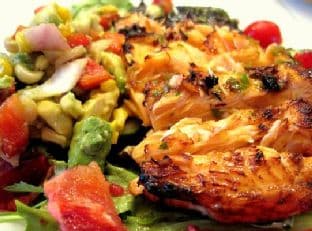
Grilled Salmon Salad With Blood Orange Cilantro Vinaigrette
Aligned with a low fodmap pattern. See the guidance below for common ingredient watch-outs.
- Verify onion, garlic, wheat, and certain sweeteners in marinades.
View recipeRecipe from foodista.com via Spoonacular

Grilled Lemon Garlic Chicken
Aligned with a low fodmap pattern. See the guidance below for common ingredient watch-outs.
- Verify onion, garlic, wheat, and certain sweeteners in marinades.
View recipeRecipe from foodista.com via Spoonacular
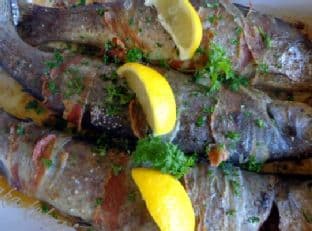
Trout wrapped in bacon
Aligned with a low fodmap pattern. See the guidance below for common ingredient watch-outs.
- Verify onion, garlic, wheat, and certain sweeteners in marinades.
View recipeRecipe from foodista.com via Spoonacular

Bacon-Wrapped Salmon
Aligned with a low fodmap pattern. See the guidance below for common ingredient watch-outs.
- Verify onion, garlic, wheat, and certain sweeteners in marinades.
View recipeRecipe from Foodista via Spoonacular
Attribution
Publisher credit: Foodista.com – The Cooking Encyclopedia Everyone Can Edit
Creative Commons Attribution 3.0 license means the publisher allows reuse when the recipe is credited.
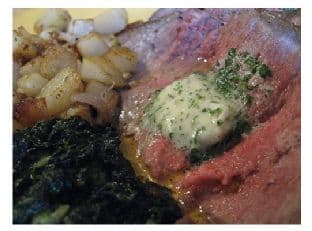
New York Strip With Beurre Maitre D'hotel
Aligned with a low fodmap pattern. See the guidance below for common ingredient watch-outs.
- Verify onion, garlic, wheat, and certain sweeteners in marinades.
View recipeRecipe from foodista.com via Spoonacular
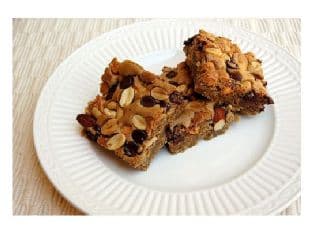
Bar Nuts
Aligned with a low fodmap pattern. See the guidance below for common ingredient watch-outs.
- Verify onion, garlic, wheat, and certain sweeteners in marinades.
View recipeRecipe from foodista.com via Spoonacular
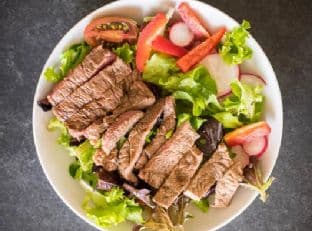
15-Minute Tamari Marinated Steak Salad
Aligned with a low fodmap pattern. See the guidance below for common ingredient watch-outs.
- Verify onion, garlic, wheat, and certain sweeteners in marinades.
View recipeRecipe from Foodista via Spoonacular
Attribution
Publisher credit: Foodista.com – The Cooking Encyclopedia Everyone Can Edit
Creative Commons Attribution 3.0 license means the publisher allows reuse when the recipe is credited.
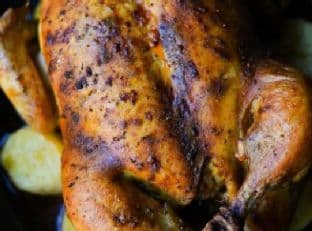
Skillet Roasted Chicken & Potatoes
Aligned with a low fodmap pattern. See the guidance below for common ingredient watch-outs.
- Verify onion, garlic, wheat, and certain sweeteners in marinades.
View recipeRecipe from foodista.com via Spoonacular
Low-FODMAP Dinner Recipes
A low-FODMAP dinner pattern focuses on reducing fermentable carbohydrates that can trigger symptoms in people with IBS and functional GI disorders (per clinical_dietary_kb). The main watch-outs are onion, garlic, wheat, rye, and certain legumes and vegetables (per clinical_dietary_kb). Understanding which ingredients commonly hide in prepared foods will help you navigate dinner preparation and ordering.
Onion and garlic present the biggest challenge because they appear in nearly every savory restaurant dish—soups, sauces, marinades, stir-fries, and salad dressings—and are rarely listed on menus (per clinical_dietary_kb). When cooking at home, you have direct control over these ingredients. Wheat appears in bread, pasta, sauces thickened with flour, and breaded items (per clinical_dietary_kb), so choosing rice, oats, or quinoa as your grain base is often more reliable (per diet_pattern_kb).
The good news is that proteins form the foundation of low-FODMAP dinners. Plain meat, poultry, fish, eggs, firm tofu, and tempeh are almost all suitable at standard serving sizes (per diet_pattern_kb). This means you can build satisfying meals around these proteins paired with low-FODMAP vegetables and grains.
One important clarification: a low-FODMAP diet is not the same as gluten-free eating. The trigger in wheat is typically the fructan carbohydrate, not the gluten protein itself, so this pattern is not a treatment for coeliac disease (per diet_pattern_kb). If you have coeliac disease, you'll need to avoid gluten regardless of FODMAP content.
Individual tolerance varies considerably. Some people find certain low-FODMAP foods trigger symptoms while others tolerate them well, so tracking your own responses is essential. When ordering dinner out, plainly cooked food tends to be more reliable than dishes with sauces or marinades, since hidden onion and garlic in stocks and seasonings are difficult to identify (per diet_pattern_kb).
These recipes are designed with these common triggers in mind, offering substitution ideas to help you build dinners that fit your pattern while keeping meals flavorful and satisfying.
Evidence sources (6)
- clinical_dietary_kb
FODMAP challenges in restaurants: onion and garlic are in nearly every savory restaurant dish (soups, sauces, marinades, stir-fries, salad dressings). Wheat is in bread, pasta, sauces thickened with flour, and breaded...
- diet_pattern_kb
Ordering strategy on a low-FODMAP protocol. The dominant problem is onion and garlic, which are in the stock, sauce, marinade or seasoning of most restaurant dishes and are rarely listed. Ordering plainly cooked food...
- clinical_dietary_kb
Low-FODMAP diet for IBS and functional GI disorders: FODMAPs are fermentable oligosaccharides, disaccharides, monosaccharides, and polyols. High-FODMAP foods to avoid: onions, garlic, wheat, rye, beans, lentils, artic...
- diet_pattern_kb
Foods high in FODMAPs, restricted during the elimination phase only: wheat, rye and barley in bread, pasta and baked goods (fructans); onion, garlic, shallot and leek bulb — the two hardest to avoid in restaurant food...
- diet_pattern_kb
Interactions to be aware of when someone declares low-FODMAP. It overlaps with, but is not the same as, a gluten-free diet: fructans in wheat are the usual trigger, not gluten protein, so a low-FODMAP diet is not a tr...
- diet_pattern_kb
Foods generally low in FODMAPs at standard serving sizes: proteins are almost all suitable — plain meat, poultry, fish, eggs, firm tofu and tempeh (firm tofu is low because the FODMAPs leave with the whey). Grains: ri...