
Low-FODMAP Chicken Recipes
Chicken recipes that fit a low-FODMAP pattern, with ingredient watch-outs and notes on common triggers in marinades and sides.
Recipes

Grilled Lemon Garlic Chicken
Fits a low fodmap pattern when prepared with the ingredient swaps noted on this page.
- Verify onion, garlic, wheat, and certain sweeteners in marinades.
View recipeRecipe from foodista.com via Spoonacular

Skillet Roasted Chicken & Potatoes
Fits a low fodmap pattern when prepared with the ingredient swaps noted on this page.
- Verify onion, garlic, wheat, and certain sweeteners in marinades.
View recipeRecipe from foodista.com via Spoonacular
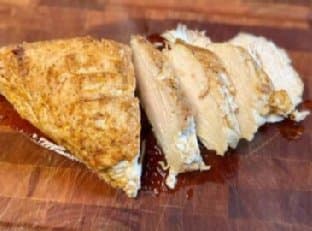
Foolproof Cooking Method to Make the Juiciest Chicken Breast
Fits a low fodmap pattern when prepared with the ingredient swaps noted on this page.
- Verify onion, garlic, wheat, and certain sweeteners in marinades.
View recipeRecipe from maplewoodroad.com via Spoonacular
Attribution
Publisher credit: maplewoodroad
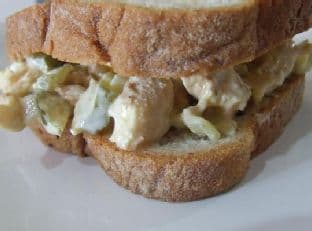
Dairy Free Chicken Salad
Fits a low fodmap pattern when prepared with the ingredient swaps noted on this page.
- Verify onion, garlic, wheat, and certain sweeteners in marinades.
View recipeRecipe from foodista.com via Spoonacular
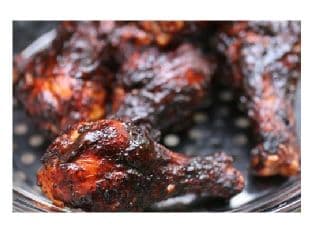
Bbq Chicken
Fits a low fodmap pattern when prepared with the ingredient swaps noted on this page.
- Verify onion, garlic, wheat, and certain sweeteners in marinades.
View recipeRecipe from foodista.com via Spoonacular

Zucchini Chicken Omelette
Fits a low fodmap pattern when prepared with the ingredient swaps noted on this page.
- Verify onion, garlic, wheat, and certain sweeteners in marinades.
View recipeRecipe from foodista.com via Spoonacular

Spanish Tortilla
Fits a low fodmap pattern when prepared with the ingredient swaps noted on this page.
- Verify onion, garlic, wheat, and certain sweeteners in marinades.
View recipeRecipe from foodista.com via Spoonacular

Chicken thighs wrapped in prosciutto
Fits a low fodmap pattern when prepared with the ingredient swaps noted on this page.
- Verify onion, garlic, wheat, and certain sweeteners in marinades.
View recipeRecipe from foodista.com via Spoonacular
Low-FODMAP Chicken Recipes
Chicken is a naturally low-FODMAP protein that works well in a low-FODMAP eating pattern. Plain poultry is almost universally suitable at standard serving sizes (per diet_pattern_kb), making it an accessible foundation for meals designed around this dietary approach. The challenge with chicken recipes typically lies not in the protein itself, but in the marinades, sauces, seasonings, and sides that accompany it.
The dominant FODMAP triggers in chicken dishes are onion and garlic. These ingredients are remarkably difficult to avoid, especially in restaurant settings where they appear in stocks, sauces, marinades, and seasonings without always being listed clearly (per diet_pattern_kb). When preparing chicken at home, you have the advantage of controlling these additions. Opt for plainly cooked chicken — roasted, grilled, or poached without aromatics — as a reliable baseline. If you want to build flavor, use garlic-infused oil (where the garlic solids have been strained out) or herbs like rosemary, thyme, and basil instead.
Wheat-based thickeners and breading present another common hidden source of FODMAPs. Sauces thickened with wheat flour, breaded chicken cutlets, and marinades containing soy sauce (which may contain wheat) can all introduce fructans, a type of FODMAP (per clinical_dietary_kb). When making sauces, consider cornstarch or arrowroot as thickening agents instead. For breading, use certified gluten-free breadcrumbs or crushed rice crackers.
Side dishes and marinades warrant careful attention. Many salad dressings, marinades, and condiments contain onion or garlic as standard ingredients. Check labels closely, and when in doubt, prepare your own dressings using low-FODMAP bases like olive oil, vinegar, and salt. Pair your chicken with rice, oats, or quinoa rather than wheat pasta or bread (per diet_pattern_kb).
Individual tolerance varies considerably — some people may find certain ingredients more problematic than others. If you're following a low-FODMAP approach for IBS or functional GI concerns, working with a clinician or registered dietitian can help you identify your specific triggers and navigate the elimination and reintroduction phases effectively. These recipes are designed as a starting point, but your own response to ingredients matters most.
Evidence sources (6)
- diet_pattern_kb
Ordering strategy on a low-FODMAP protocol. The dominant problem is onion and garlic, which are in the stock, sauce, marinade or seasoning of most restaurant dishes and are rarely listed. Ordering plainly cooked food...
- clinical_dietary_kb
FODMAP challenges in restaurants: onion and garlic are in nearly every savory restaurant dish (soups, sauces, marinades, stir-fries, salad dressings). Wheat is in bread, pasta, sauces thickened with flour, and breaded...
- clinical_dietary_kb
Low-FODMAP diet for IBS and functional GI disorders: FODMAPs are fermentable oligosaccharides, disaccharides, monosaccharides, and polyols. High-FODMAP foods to avoid: onions, garlic, wheat, rye, beans, lentils, artic...
- diet_pattern_kb
Foods generally low in FODMAPs at standard serving sizes: proteins are almost all suitable — plain meat, poultry, fish, eggs, firm tofu and tempeh (firm tofu is low because the FODMAPs leave with the whey). Grains: ri...
- diet_pattern_kb
Foods high in FODMAPs, restricted during the elimination phase only: wheat, rye and barley in bread, pasta and baked goods (fructans); onion, garlic, shallot and leek bulb — the two hardest to avoid in restaurant food...
- diet_pattern_kb
Interactions to be aware of when someone declares low-FODMAP. It overlaps with, but is not the same as, a gluten-free diet: fructans in wheat are the usual trigger, not gluten protein, so a low-FODMAP diet is not a tr...