High-Protein Vegetarian Recipes
Vegetarian recipes built around a strong protein profile, with notes on legume, dairy, and soy ingredient choices.
Recipes
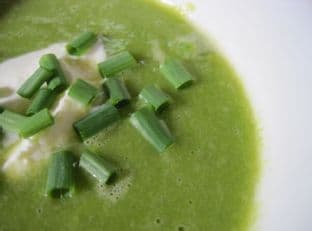
Asparagus and Pea Soup: Real Convenience Food
Aligned with a vegetarian pattern. See the guidance below for common ingredient watch-outs.
View recipeRecipe from Full Belly Sisters via Spoonacular
Attribution
CC BY-SA 3.0 means the publisher allows reuse when the recipe is credited.
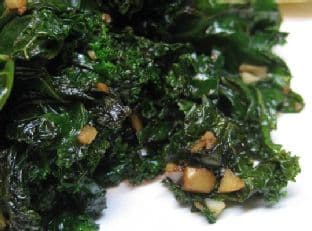
Garlicky Kale
Aligned with a vegetarian pattern. See the guidance below for common ingredient watch-outs.
View recipeRecipe from Foodista via Spoonacular
Attribution
Publisher credit: Foodista.com – The Cooking Encyclopedia Everyone Can Edit
Creative Commons Attribution 3.0 license means the publisher allows reuse when the recipe is credited.
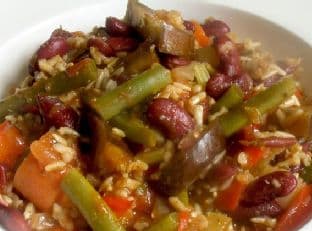
Red Kidney Bean Jambalaya
Aligned with a vegetarian pattern. See the guidance below for common ingredient watch-outs.
View recipeRecipe from foodandspice.com via Spoonacular
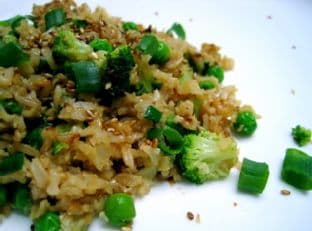
Cauliflower, Brown Rice, and Vegetable Fried Rice
Aligned with a vegetarian pattern. See the guidance below for common ingredient watch-outs.
View recipeRecipe from Full Belly Sisters via Spoonacular
Attribution
CC BY-SA 3.0 means the publisher allows reuse when the recipe is credited.
Quinoa and Chickpea Salad with Sun-Dried Tomatoes and Dried Cherries
Aligned with a vegetarian pattern. See the guidance below for common ingredient watch-outs.
View recipeRecipe from foodandspice.com via Spoonacular
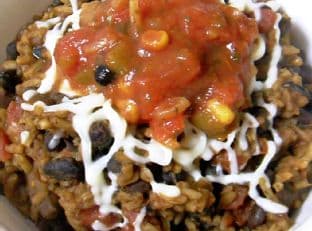
Easy Homemade Rice and Beans
Aligned with a vegetarian pattern. See the guidance below for common ingredient watch-outs.
View recipeRecipe from blogspot.com via Spoonacular
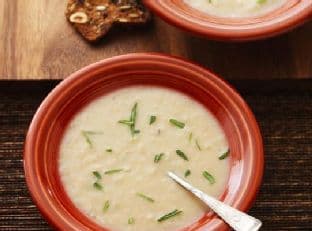
Tuscan White Bean Soup with Olive Oil and Rosemary
Aligned with a vegetarian pattern. See the guidance below for common ingredient watch-outs.
View recipeRecipe from foodista.com via Spoonacular
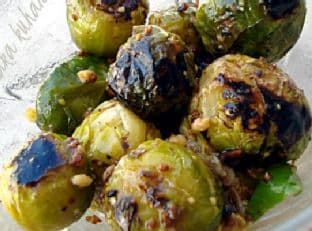
Crunchy Brussels Sprouts Side Dish
Aligned with a vegetarian pattern. See the guidance below for common ingredient watch-outs.
View recipeRecipe from Foodista via Spoonacular
Attribution
Publisher credit: Foodista.com – The Cooking Encyclopedia Everyone Can Edit
Creative Commons Attribution 3.0 license means the publisher allows reuse when the recipe is credited.
High-Protein Vegetarian Recipes
Building a high-protein vegetarian diet centers on choosing foods that deliver substantial protein per serving. The foundation includes legumes—beans, lentils, and chickpeas—which provide about 7–9 grams of protein per half cup (per diet_pattern_kb). Soy foods are particularly protein-dense: tofu offers about 10 grams per half cup, tempeh about 15 grams, and edamame about 9 grams (per diet_pattern_kb). Eggs and dairy products round out the protein toolkit, with each egg containing roughly 6 grams and dairy foods providing about 8 grams per serving (per diet_pattern_kb).
When building meals, the ordering strategy matters. Look for dishes built around a legume, tofu, or paneer base rather than plates that are mostly vegetables and starch without a protein anchor (per diet_pattern_kb). This approach ensures your meals deliver sustained satiety and meet protein targets.
A few nutrient considerations deserve attention. Plant-based iron sources are less bioavailable than animal sources, so pair iron-rich plant foods with vitamin C to improve absorption, and be mindful that tea and coffee consumed at meals can interfere with iron uptake (per diet_pattern_kb). If you have dairy or egg allergies, or lactose intolerance, your protein options shift significantly—these conditions remove some of the flexibility that makes vegetarian eating more straightforward than vegan eating, requiring more intentional planning (per diet_pattern_kb).
Individual tolerances vary widely. Some people digest legumes easily; others experience bloating or digestive discomfort. Starting with smaller portions and gradually increasing them, along with thorough cooking or sprouting, may help. Soy foods are generally easier to digest than whole legumes for many people, though soy allergies do occur.
These recipes emphasize whole-food protein sources that align with a vegetarian pattern. They are not medical advice and do not replace guidance from a clinician or registered dietitian, especially if you have food allergies, intolerances, or specific health conditions. A healthcare provider can help you personalize protein intake and address any nutrient gaps based on your individual needs and medical history.
Evidence sources (6)
- diet_pattern_kb
Foods emphasized on a vegetarian diet: legumes (beans, lentils, chickpeas — about 7-9 g protein per half cup); soy foods (tofu about 10 g per half cup, tempeh about 15 g, edamame about 9 g); eggs at about 6 g each; da...
- diet_pattern_kb
A vegetarian diet excludes meat, poultry, fish and shellfish while permitting foods that come from animals without their slaughter. The common variants matter for guidance: lacto-ovo-vegetarian (dairy and eggs, the mo...
- diet_pattern_kb
Nutrients of concern for vegetarians, following the Dietary Guidelines' analysis of the Healthy Vegetarian Pattern. Iron: plant sources are non-haem and less bioavailable, so pair them with vitamin C and be aware that...
- diet_pattern_kb
Interactions to be aware of when someone declares a vegetarian diet. Dairy and egg allergies, and lactose intolerance, remove the compensations that make vegetarian eating easier than vegan eating and shift the planni...
- diet_pattern_kb
Ordering strategy for a declared vegetarian diet. Most menus have at least one vegetarian entree, but the common failure is that it is a plate of vegetables and starch with no protein anchor — look for a dish built on...
- USDA FoodData Central SR Legacy
Vegetarian fillets (100g): 290 calories, 23.0G protein, 18.0G total fat, 9.0G carbohydrates, 6.1G fiber, 0.8G total sugars, 490MG sodium. Key micronutrients: iron 2.0MG (11% DV), phosphorus 450.0MG (36% DV), potassium...