
Gluten-Free Mediterranean Recipes
Mediterranean recipes that fit a gluten-free pattern, with ingredient watch-outs for hidden gluten in sauces and grains.
Recipes
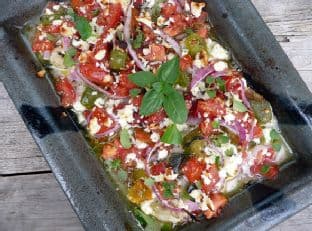
Greek-Style Baked Fish: Fresh, Simple, and Delicious
Aligned with a gluten free pattern. See the guidance below for common ingredient watch-outs.
- Confirm soy sauces, marinades, and starch thickeners are gluten-free.
View recipeRecipe from Full Belly Sisters via Spoonacular
Attribution
CC BY-SA 3.0 means the publisher allows reuse when the recipe is credited.
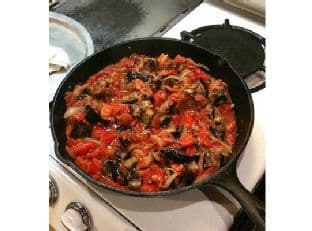
Baked Ratatouille
Aligned with a gluten free pattern. See the guidance below for common ingredient watch-outs.
- Confirm soy sauces, marinades, and starch thickeners are gluten-free.
View recipeRecipe from Foodista via Spoonacular
Attribution
Publisher credit: Foodista.com – The Cooking Encyclopedia Everyone Can Edit
Creative Commons Attribution 3.0 license means the publisher allows reuse when the recipe is credited.
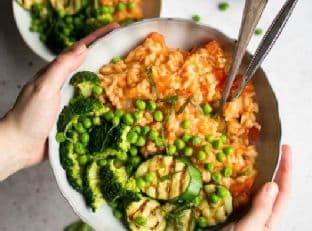
Fresh Tomato Risotto with Grilled Green Vegetables
Aligned with a gluten free pattern. See the guidance below for common ingredient watch-outs.
- Confirm soy sauces, marinades, and starch thickeners are gluten-free.
View recipeRecipe from Foodista via Spoonacular
Attribution
Publisher credit: Foodista.com – The Cooking Encyclopedia Everyone Can Edit
Creative Commons Attribution 3.0 license means the publisher allows reuse when the recipe is credited.
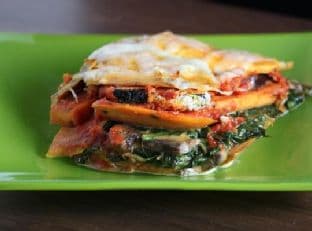
How Sweet It Is Sweet Potato Lasagne
Aligned with a gluten free pattern. See the guidance below for common ingredient watch-outs.
- Confirm soy sauces, marinades, and starch thickeners are gluten-free.
View recipeRecipe from foodista.com via Spoonacular
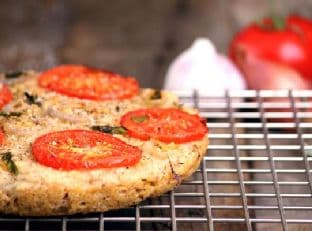
Gluten free focaccia
Aligned with a gluten free pattern. See the guidance below for common ingredient watch-outs.
- Confirm soy sauces, marinades, and starch thickeners are gluten-free.
View recipeRecipe from Foodista via Spoonacular
Attribution
Publisher credit: Foodista.com – The Cooking Encyclopedia Everyone Can Edit
Creative Commons Attribution 3.0 license means the publisher allows reuse when the recipe is credited.
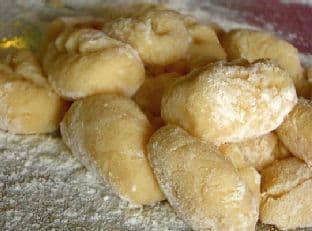
Gluten Free Vegan Gnocchi
Aligned with a gluten free pattern. See the guidance below for common ingredient watch-outs.
- Confirm soy sauces, marinades, and starch thickeners are gluten-free.
View recipeRecipe from Foodista via Spoonacular
Attribution
Publisher credit: Foodista.com – The Cooking Encyclopedia Everyone Can Edit
Creative Commons Attribution 3.0 license means the publisher allows reuse when the recipe is credited.
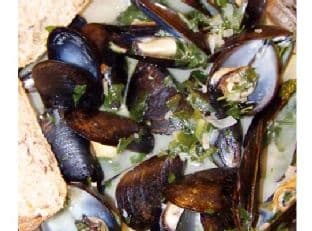
Classic French Mussels
Aligned with a gluten free pattern. See the guidance below for common ingredient watch-outs.
- Confirm soy sauces, marinades, and starch thickeners are gluten-free.
View recipeRecipe from Foodista via Spoonacular
Attribution
Publisher credit: Foodista.com – The Cooking Encyclopedia Everyone Can Edit
Creative Commons Attribution 3.0 license means the publisher allows reuse when the recipe is credited.
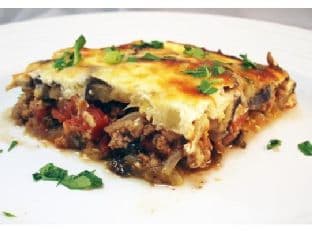
Gluten-Free Lamb Moussaka
Aligned with a gluten free pattern. See the guidance below for common ingredient watch-outs.
- Confirm soy sauces, marinades, and starch thickeners are gluten-free.
View recipeRecipe from foodista.com via Spoonacular
Gluten-Free Mediterranean Recipes
Mediterranean cuisine naturally lends itself to gluten-free eating, since many traditional dishes center on olive oil, vegetables, fish, and legumes rather than bread or pasta. However, hidden gluten can appear in common Mediterranean ingredients and preparations, so awareness of these sources helps you navigate recipes and restaurant meals confidently.
The primary grains to avoid are wheat (including durum and spelt), barley, rye, and triticale (per FDA allergen knowledge base). Many Mediterranean recipes traditionally use wheat pasta or bulgur, but gluten-free alternatives are readily available. Gluten-free pasta made from corn and rice flour provides comparable nutrition—cooked corn-rice pasta contains 3.2g protein and 38g carbohydrates per 100g serving (per USDA food composition data). If you're preparing dry gluten-free corn pasta, note that it delivers 7.5g protein and 79.3g carbohydrates per 100g, along with meaningful amounts of magnesium and phosphorus (per USDA food composition data).
Beyond grains, watch for hidden gluten in sauces and condiments commonly used in Mediterranean cooking. Soy sauce typically contains wheat, and malt vinegar is another frequent source (per FDA allergen knowledge base). Flour-based roux thickening gravies and sauces can introduce gluten unexpectedly. When preparing Mediterranean dishes at home, you control these ingredients; when dining out, asking whether sauces contain wheat-based thickeners or soy sauce is important for avoiding unintended exposure.
Individual tolerance varies—some people with gluten sensitivity experience digestive discomfort from trace amounts, while others tolerate small exposures differently. Cross-contamination during cooking (such as shared utensils or cutting boards) may matter depending on your sensitivity level.
The Mediterranean pattern's emphasis on whole vegetables, legumes, olive oil, and seafood means you can build satisfying, nutrient-dense meals without relying on gluten-containing grains. By substituting rice, corn, or quinoa-based alternatives (per FDA allergen knowledge base) and reading labels on prepared sauces and condiments, you can enjoy Mediterranean flavors while following a gluten-free approach. When in doubt about a specific ingredient or preparation method, consulting the recipe source or a clinician familiar with your dietary needs provides personalized guidance.
Evidence sources (6)
- fda_allergen_kb
Grains that contain gluten: wheat (including durum, emmer, einkorn, spelt, kamut), barley, rye, triticale (wheat-rye hybrid). Gluten-free grain alternatives: rice, corn, quinoa, millet, sorghum, teff, buckwheat (despi...
- USDA FoodData Central SR Legacy
Pasta, gluten-free, corn and rice flour, cooked (100g): 179 calories, 3.2G protein, 1.0G total fat, 38.0G carbohydrates, 1.4G fiber, 0.0G total sugars, 4MG sodium. Data type: SR Legacy. FDC ID: 173265.
- USDA FoodData Central SR Legacy
Pasta, gluten-free, corn, dry (100g): 357 calories, 7.5G protein, 2.1G total fat, 79.3G carbohydrates, 11.0G fiber, 3MG sodium. Key micronutrients: magnesium 119.0MG (28% DV), phosphorus 253.0MG (20% DV), zinc 1.8MG (...
- fda_allergen_kb
Hidden gluten sources in restaurants: soy sauce (contains wheat), malt vinegar, flour-based roux in sauces and gravies, breaded or battered items sharing fryer oil, communion wafers, beer and malt beverages, seitan (p...
- USDA FoodData Central SR Legacy
Bread, gluten-free, white, made with potato extract, rice starch, and rice flour (100g): 320 calories, 3.1G protein, 10.7G total fat, 52.8G carbohydrates, 3.5G fiber, 8.4G total sugars, 528MG sodium. Data type: SR Leg...
- USDA FoodData Central SR Legacy
Bread, gluten-free, white, made with rice flour, corn starch, and/or tapioca (100g): 248 calories, 4.3G protein, 5.2G total fat, 45.8G carbohydrates, 4.3G fiber, 3.5G total sugars, 447MG sodium. Key micronutrients: ca...