
GERD-Friendly Recipe Ideas
Recipe ideas for people managing reflux, with notes on common watch-outs such as tomato, citrus, fried foods, chocolate, mint, and high-fat preparations.
Recipes
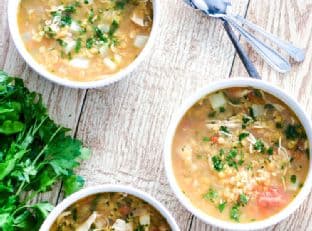
Red Lentil Soup with Chicken and Turnips
May be better tolerated with gerd when prepared with the watch-outs noted on this page.
- Watch tomato, citrus, mint, chocolate, fried foods, and high-fat portions.
View recipeRecipe from pinkwhen.com via Spoonacular
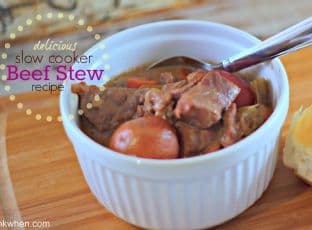
Slow Cooker Beef Stew
May be better tolerated with gerd when prepared with the watch-outs noted on this page.
- Watch tomato, citrus, mint, chocolate, fried foods, and high-fat portions.
View recipeRecipe from pinkwhen.com via Spoonacular
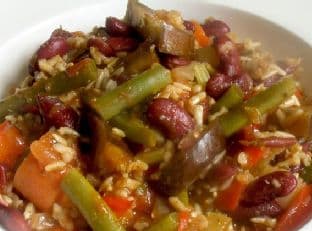
Red Kidney Bean Jambalaya
May be better tolerated with gerd when prepared with the watch-outs noted on this page.
- Watch tomato, citrus, mint, chocolate, fried foods, and high-fat portions.
View recipeRecipe from foodandspice.com via Spoonacular
Quinoa and Chickpea Salad with Sun-Dried Tomatoes and Dried Cherries
May be better tolerated with gerd when prepared with the watch-outs noted on this page.
- Watch tomato, citrus, mint, chocolate, fried foods, and high-fat portions.
View recipeRecipe from foodandspice.com via Spoonacular
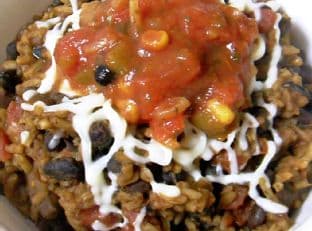
Easy Homemade Rice and Beans
May be better tolerated with gerd when prepared with the watch-outs noted on this page.
- Watch tomato, citrus, mint, chocolate, fried foods, and high-fat portions.
View recipeRecipe from blogspot.com via Spoonacular
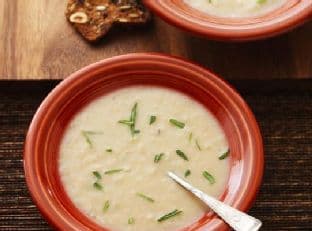
Tuscan White Bean Soup with Olive Oil and Rosemary
May be better tolerated with gerd when prepared with the watch-outs noted on this page.
- Watch tomato, citrus, mint, chocolate, fried foods, and high-fat portions.
View recipeRecipe from foodista.com via Spoonacular
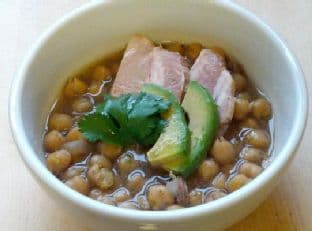
Slow Cooker: Pork and Garbanzo Beans
May be better tolerated with gerd when prepared with the watch-outs noted on this page.
- Watch tomato, citrus, mint, chocolate, fried foods, and high-fat portions.
View recipeRecipe from foodista.com via Spoonacular
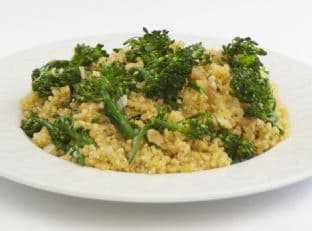
Broccolini Quinoa Pilaf
May be better tolerated with gerd when prepared with the watch-outs noted on this page.
- Watch tomato, citrus, mint, chocolate, fried foods, and high-fat portions.
View recipeRecipe from pickfreshfoods.com via Spoonacular
GERD-Friendly Recipe Ideas
Evidence-reviewed
Managing reflux through food choices involves identifying and limiting common dietary triggers, though what provokes symptoms varies significantly from person to person. Starting with a cautious approach and gradually testing your own tolerance is important before expanding your meal options.
Several foods are frequently reported as reflux triggers. Acidic foods—including tomatoes, citrus fruits, and vinegar-based dressings—often worsen symptoms (per clinical_dietary_kb). Fatty and fried foods, chocolate, mint, coffee, carbonated beverages, and alcohol are also commonly associated with reflux episodes (per clinical_dietary_kb). Spicy foods may similarly provoke discomfort in some individuals. Because triggers are highly individual, you may find that some of these foods affect you more than others, or that you tolerate small amounts better than larger portions.
When planning reflux-friendly dinners, lean proteins prepared with minimal fat tend to be better tolerated. Fish cooked using dry-heat methods—such as baking or grilling—offers substantial protein and micronutrients while avoiding added fats that can delay stomach emptying and increase reflux risk (per usda_fdc_sr_legacy). Pairing lean proteins with whole grains and non-acidic vegetables creates a balanced meal foundation.
Dressing and preparation methods matter considerably. High-fat dressings and sauces can trigger symptoms, so choosing lower-fat options or using modest amounts of oil-based preparations may help. Bread and grain sides are generally easier to tolerate than fried starches, though individual responses vary.
Eating out presents real-world challenges, and the dietary approach recognizes that restaurant meals are part of modern eating patterns (per dga_2025_2030). Rather than avoiding dining out entirely, focus on making thoughtful choices within any setting—requesting grilled rather than fried preparations, asking for dressings on the side, and avoiding known personal triggers when possible.
Keep in mind that meal timing, portion size, and eating speed also influence reflux symptoms, not just food type. Eating smaller meals several hours before lying down may help reduce nighttime symptoms. Because individual tolerance varies widely and reflux severity differs, consider working with a clinician or registered dietitian to personalize your approach. They can help you identify your specific triggers and develop a sustainable eating pattern that supports both reflux management and overall nutrition.
Evidence sources (6)
- clinical_dietary_kb
GERD (gastroesophageal reflux disease) dietary triggers: acidic foods (tomatoes, citrus, vinegar), spicy foods, fatty and fried foods, chocolate, mint/peppermint, coffee and caffeine, carbonated beverages, alcohol (es...
- dga_2025_2030
Maintaining dietary pattern compliance when eating out (DGA 2025-2030): The DGA recognizes that eating out is part of modern life and focuses on making better choices within any setting rather than avoiding restaurant...
- USDA FoodData Central SR Legacy
Fish, grouper, mixed species, cooked, dry heat (100g): 118 calories, 24.8G protein, 1.3G total fat, 0.0G carbohydrates, 0.0G fiber, 53MG sodium. Key micronutrients: phosphorus 143.0MG (11% DV), potassium 475.0MG (10%...
- USDA FoodData Central SR Legacy
George Weston Bakeries, Brownberry Sage and Onion Stuffing Mix, dry (100g): 390 calories, 13.3G protein, 5.1G total fat, 72.7G carbohydrates, 5.4G fiber, 1680MG sodium. Key micronutrients: iron 3.8MG (21% DV). Data ty...
- USDA FoodData Central SR Legacy
Salad dressing, green goddess, regular (100g): 427 calories, 1.9G protein, 43.3G total fat, 7.4G carbohydrates, 0.1G fiber, 6.7G total sugars, 867MG sodium. Key micronutrients: vitamin B12 0.3UG (11% DV), vitamin E 4....
- USDA FoodData Central SR Legacy
Andrea's, Gluten Free Soft Dinner Roll (100g): 257 calories, 5.7G protein, 8.2G total fat, 40.2G carbohydrates, 2.9G fiber, 3.0G total sugars, 544MG sodium. Key micronutrients: magnesium 42.0MG (10% DV), phosphorus 12...