
Keto Dinner Recipes
Dinner ideas aligned with a ketogenic pattern, with notes on common pitfalls (sweet sauces, breaded proteins, hidden carbs).
Recipes
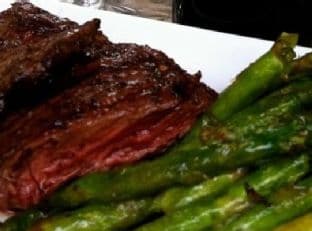
Chimichurri Skirt Steak with Grilled Asparagus
Aligned with a keto pattern. See the guidance below for common ingredient watch-outs.
- Watch for breading, sweet glazes, and starch-thickened sauces.
View recipeRecipe from foodista.com via Spoonacular
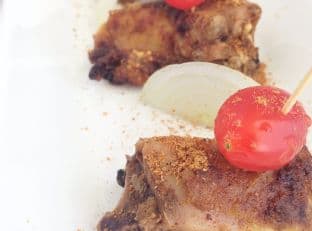
Chicken Suya
Aligned with a keto pattern. See the guidance below for common ingredient watch-outs.
- Watch for breading, sweet glazes, and starch-thickened sauces.
View recipeRecipe from afrolems.com via Spoonacular
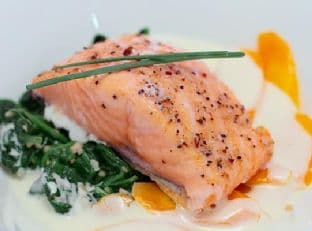
Salmon Confit with Lemongrass Sauce
Aligned with a keto pattern. See the guidance below for common ingredient watch-outs.
- Watch for breading, sweet glazes, and starch-thickened sauces.
View recipeRecipe from foodista.com via Spoonacular
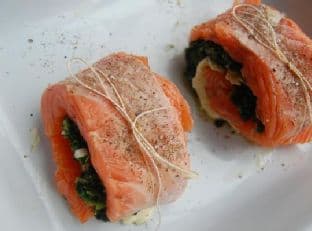
Stuffed Salmon With Tomato-Olive Tapenade
Aligned with a keto pattern. See the guidance below for common ingredient watch-outs.
- Watch for breading, sweet glazes, and starch-thickened sauces.
View recipeRecipe from foodista.com via Spoonacular
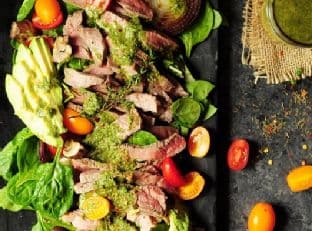
Steak Salad with Chimichurri Sauce
Aligned with a keto pattern. See the guidance below for common ingredient watch-outs.
- Watch for breading, sweet glazes, and starch-thickened sauces.
View recipeRecipe from Foodista via Spoonacular
Attribution
Publisher credit: Foodista.com – The Cooking Encyclopedia Everyone Can Edit
Creative Commons Attribution 3.0 license means the publisher allows reuse when the recipe is credited.
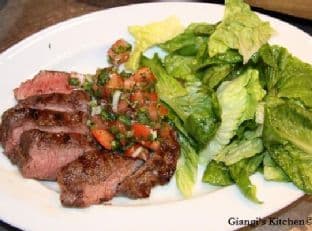
Flank Steak with Herbed Salsa
Aligned with a keto pattern. See the guidance below for common ingredient watch-outs.
- Watch for breading, sweet glazes, and starch-thickened sauces.
View recipeRecipe from foodista.com via Spoonacular
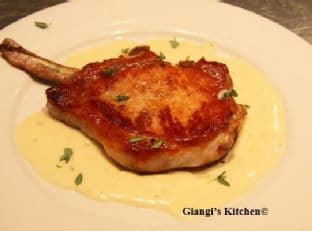
Pork Chops with Garlic Cream
Aligned with a keto pattern. See the guidance below for common ingredient watch-outs.
- Watch for breading, sweet glazes, and starch-thickened sauces.
View recipeRecipe from Foodista via Spoonacular
Attribution
Publisher credit: Foodista.com – The Cooking Encyclopedia Everyone Can Edit
Creative Commons Attribution 3.0 license means the publisher allows reuse when the recipe is credited.
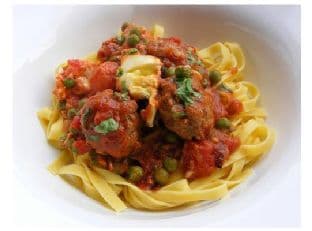
Lamb Tagine Stew
Aligned with a keto pattern. See the guidance below for common ingredient watch-outs.
- Watch for breading, sweet glazes, and starch-thickened sauces.
View recipeRecipe from foodista.com via Spoonacular
Keto Dinner Recipes
A ketogenic dinner pattern emphasizes whole foods centered on fat and protein while excluding carbohydrate-rich staples. The foundation includes fatty fish and seafood, meat and poultry with fattier cuts preferred, eggs, butter, cream, full-fat cheeses, olive oil, avocado oil, avocados, nuts and seeds (per diet_pattern_kb). This macronutrient shift requires attention to what you're removing from your plate as much as what you're adding.
Foods to limit or exclude are straightforward to identify: all grains and grain products including bread, rolls, tortillas, pasta, rice, couscous, and oats; potatoes in every form; corn; starchy vegetables like peas and parsnips; and beans (per diet_pattern_kb). When dining out or cooking at home, watch for hidden carbohydrates in sugary sauces and glazes, which can accumulate quickly and undermine the pattern (per dietary_restriction_kb). Requesting sauces on the side or asking for plainly cooked proteins with vegetable or salad substitutions in place of starches simplifies meal construction (per diet_pattern_kb).
Individual tolerance varies, and some people experience digestive or metabolic adjustments when shifting macronutrient ratios significantly. If you take medications for blood sugar or blood pressure, this pattern may interact with your current regimen. Insulin and sulfonylureas require proactive dose review, SGLT2 inhibitors carry euglycemic ketoacidosis risk, and antihypertensives often need adjustment (per diet_pattern_kb). Type 1 diabetes presents a particular concern: carbohydrate restriction combined with insulin management raises diabetic ketoacidosis risk and requires care team oversight rather than self-direction (per diet_pattern_kb).
These recipes are designed to support a ketogenic eating pattern through ingredient selection and preparation methods. They are general dietary information, not medical advice. If you have diabetes, take medications affecting blood sugar or blood pressure, or have other health conditions, consult your clinician before adopting this pattern. Your healthcare provider can assess whether it aligns with your individual needs and medication regimen, and monitor any adjustments needed along the way.
Evidence sources (6)
- diet_pattern_kb
Ordering strategy for a declared ketogenic diet. Restaurants are workable because the substitutions are simple and familiar to kitchens: order a plainly cooked protein, swap the starch for a double vegetable or a sala...
- diet_pattern_kb
Interactions to be aware of when someone declares a ketogenic diet. Medication is the first: insulin and sulfonylureas need proactive dose review, SGLT2 inhibitors carry euglycemic ketoacidosis risk, and antihypertens...
- diet_pattern_kb
Foods emphasized on a ketogenic diet: fatty fish and seafood; meat and poultry, with fattier cuts preferred over the leanest; eggs; butter, cream and full-fat cheeses; olive oil, avocado oil and other whole-food fats;...
- diet_pattern_kb
Foods limited or excluded on a ketogenic diet: all grains and grain products — bread, rolls, tortillas, pasta, rice, couscous, oats, breakfast cereal; potatoes in every form, corn, and other starchy vegetables such as...
- diet_pattern_kb
Ketogenic eating has real contraindications and they are not rare. It should not be self-directed in type 1 diabetes, where carbohydrate restriction combined with insulin management raises diabetic ketoacidosis risk a...
- dietary_restriction_kb
High-carb foods that violate keto in restaurants: bread and rolls, rice, pasta, potatoes (fries, mashed, baked), corn, beans and lentils, most fruits (bananas, apples, oranges — berries in moderation are okay), sugary...