
Dairy-Free Thai Recipes
Thai recipes that fit a dairy-free pattern, with notes on coconut milk, fish sauce, and pastes that may contain dairy.
Recipes
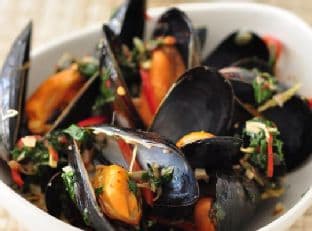
Thai-Style Mussels
Aligned with a dairy free pattern. See the guidance below for common ingredient watch-outs.
- Confirm sauces and finishes do not include butter, cream, or cheese.
View recipeRecipe from Foodista via Spoonacular
Attribution
Publisher credit: Foodista.com – The Cooking Encyclopedia Everyone Can Edit
Creative Commons Attribution 3.0 license means the publisher allows reuse when the recipe is credited.
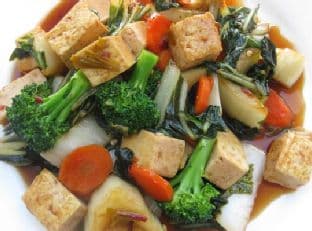
Thai Tofu With Bok Choy
Aligned with a dairy free pattern. See the guidance below for common ingredient watch-outs.
- Confirm sauces and finishes do not include butter, cream, or cheese.
View recipeRecipe from Foodista via Spoonacular
Attribution
Publisher credit: Foodista.com – The Cooking Encyclopedia Everyone Can Edit
Creative Commons Attribution 3.0 license means the publisher allows reuse when the recipe is credited.
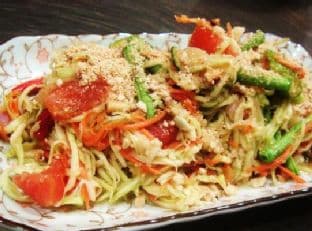
Thai Green Mango Salad
Aligned with a dairy free pattern. See the guidance below for common ingredient watch-outs.
- Confirm sauces and finishes do not include butter, cream, or cheese.
View recipeRecipe from Foodista via Spoonacular
Attribution
Publisher credit: Foodista.com – The Cooking Encyclopedia Everyone Can Edit
Creative Commons Attribution 3.0 license means the publisher allows reuse when the recipe is credited.
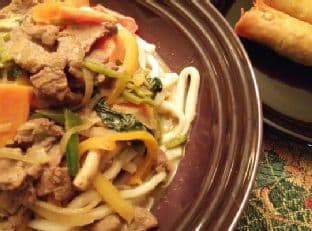
Green Thai Curry with Beef
Aligned with a dairy free pattern. See the guidance below for common ingredient watch-outs.
- Confirm sauces and finishes do not include butter, cream, or cheese.
View recipeRecipe from foodista.com via Spoonacular
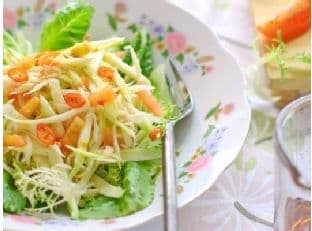
Green Mango Salad - Thai Side Dish
Aligned with a dairy free pattern. See the guidance below for common ingredient watch-outs.
- Confirm sauces and finishes do not include butter, cream, or cheese.
View recipeRecipe from Foodista via Spoonacular
Attribution
Publisher credit: Foodista.com – The Cooking Encyclopedia Everyone Can Edit
Creative Commons Attribution 3.0 license means the publisher allows reuse when the recipe is credited.
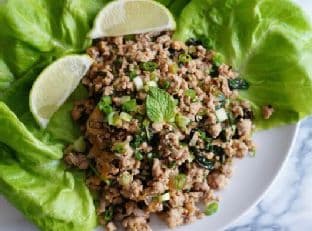
Spicy Thai Pork Lettuce Wraps
Aligned with a dairy free pattern. See the guidance below for common ingredient watch-outs.
- Confirm sauces and finishes do not include butter, cream, or cheese.
View recipeRecipe from Foodista via Spoonacular
Attribution
Publisher credit: Foodista.com – The Cooking Encyclopedia Everyone Can Edit
Creative Commons Attribution 3.0 license means the publisher allows reuse when the recipe is credited.
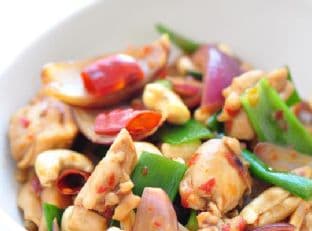
Thai Stir-Fry Chicken With Cashew Nuts
Aligned with a dairy free pattern. See the guidance below for common ingredient watch-outs.
- Confirm sauces and finishes do not include butter, cream, or cheese.
View recipeRecipe from foodista.com via Spoonacular
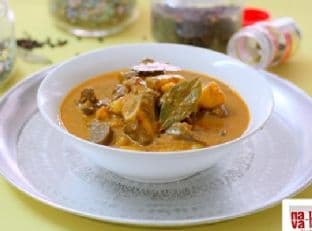
Thai Massaman Curry
Aligned with a dairy free pattern. See the guidance below for common ingredient watch-outs.
- Confirm sauces and finishes do not include butter, cream, or cheese.
View recipeRecipe from foodista.com via Spoonacular
Dairy-Free Thai Recipes
Thai cuisine naturally lends itself to dairy-free cooking, since traditional recipes rely on coconut milk, fish sauce, and aromatic pastes rather than cream or cheese. However, some ingredients and preparation methods warrant attention if you're avoiding dairy.
Coconut milk is the foundation of many Thai curries and soups. Raw coconut milk contains about 23.8g of fat per 100g and provides copper and manganese (per USDA FDC), making it a nutrient-dense base. Canned and frozen versions are also available, with canned coconut milk offering similar fat content and adding iron and magnesium (per USDA FDC). These forms are convenient for home cooking and generally easier to work with than fresh coconut.
Fish sauce, shrimp paste, and curry pastes are staples in Thai cooking. While most traditional versions contain no dairy, some commercial curry pastes—particularly red and green curry pastes sold in Western markets—may occasionally include dairy-derived ingredients or be processed on shared equipment. Reading ingredient labels is important, as hidden dairy can appear in unexpected places like non-dairy creamers (which may contain casein) and margarine (which may contain whey) (per FDA Allergen Knowledge Base). Processed ingredients sometimes contain milk protein, so checking labels on pre-made pastes and condiments helps you stay aligned with your dietary pattern.
When preparing Thai recipes at home, you have full control over ingredients. Fresh herbs, vegetables, aromatics like garlic and ginger, and coconut milk create authentic flavor without dairy. If a recipe calls for a creamy element, coconut milk serves as a direct substitute for cream.
Individual tolerances vary, and some people may react to coconut or other ingredients differently. If you have a diagnosed dairy allergy or sensitivity, consult a healthcare provider about your specific needs and any cross-contamination concerns when eating at Thai restaurants.
These recipes are designed to help you explore Thai flavors within a dairy-free framework. Use them as a starting point, and adjust based on your preferences and any personal dietary considerations.
Evidence sources (6)
- fda_allergen_kb
Hidden dairy sources in restaurants: non-dairy creamers (may contain casein), margarine (may contain whey), bread and baked goods (butter, milk solids), processed meats (deli meats, hot dogs may contain milk protein),...
- USDA FoodData Central SR Legacy
SILK Chai, soymilk (100g): 53 calories, 2.5G protein, 1.4G total fat, 7.8G carbohydrates, 0.0G fiber, 5.8G total sugars, 41MG sodium. Key micronutrients: riboflavin 0.1MG (11% DV), vitamin B12 0.4UG (15% DV). Data typ...
- USDA FoodData Central SR Legacy
SMART SOUP, Thai Coconut Curry (100g): 36 calories, 0.8G protein, 1.1G total fat, 6.5G carbohydrates, 1.0G fiber, 3.7G total sugars, 141MG sodium. Data type: SR Legacy. FDC ID: 171183.
- USDA FoodData Central SR Legacy
Nuts, coconut milk, raw (liquid expressed from grated meat and water) (100g): 230 calories, 2.3G protein, 23.8G total fat, 5.5G carbohydrates, 2.2G fiber, 3.3G total sugars, 15MG sodium. Key micronutrients: copper 0.3...
- USDA FoodData Central SR Legacy
Nuts, coconut milk, frozen (liquid expressed from grated meat and water) (100g): 202 calories, 1.6G protein, 20.8G total fat, 5.6G carbohydrates, 12MG sodium. Key micronutrients: copper 0.2MG (26% DV), manganese 0.8MG...
- USDA FoodData Central SR Legacy
Nuts, coconut milk, canned (liquid expressed from grated meat and water) (100g): 197 calories, 2.0G protein, 21.3G total fat, 2.8G carbohydrates, 13MG sodium. Key micronutrients: iron 3.3MG (18% DV), magnesium 46.0MG...