
Low-Sodium Recipe Ideas for Hypertension
Recipe ideas for a lower-sodium approach, with notes on sauces, broths, cured ingredients, packaged seasonings, and ways to build flavor without relying on salt.
Recipes
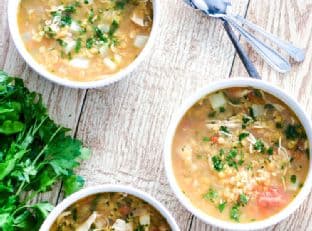
Red Lentil Soup with Chicken and Turnips
May be better tolerated with hypertension when prepared with the watch-outs noted on this page.
- Watch sodium in sauces, broths, cured ingredients, and seasoning blends.
View recipeRecipe from pinkwhen.com via Spoonacular
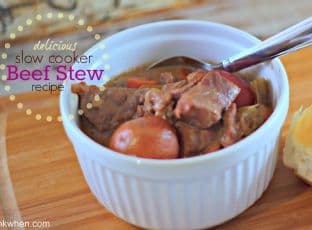
Slow Cooker Beef Stew
May be better tolerated with hypertension when prepared with the watch-outs noted on this page.
- Watch sodium in sauces, broths, cured ingredients, and seasoning blends.
View recipeRecipe from pinkwhen.com via Spoonacular
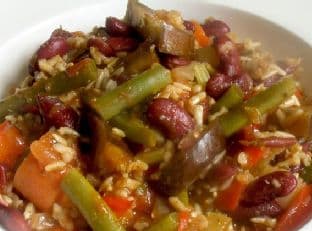
Red Kidney Bean Jambalaya
May be better tolerated with hypertension when prepared with the watch-outs noted on this page.
- Watch sodium in sauces, broths, cured ingredients, and seasoning blends.
View recipeRecipe from foodandspice.com via Spoonacular
Quinoa and Chickpea Salad with Sun-Dried Tomatoes and Dried Cherries
May be better tolerated with hypertension when prepared with the watch-outs noted on this page.
- Watch sodium in sauces, broths, cured ingredients, and seasoning blends.
View recipeRecipe from foodandspice.com via Spoonacular
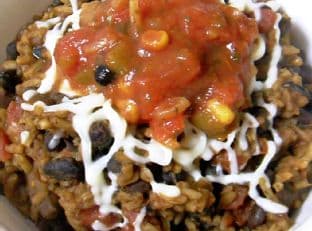
Easy Homemade Rice and Beans
May be better tolerated with hypertension when prepared with the watch-outs noted on this page.
- Watch sodium in sauces, broths, cured ingredients, and seasoning blends.
View recipeRecipe from blogspot.com via Spoonacular
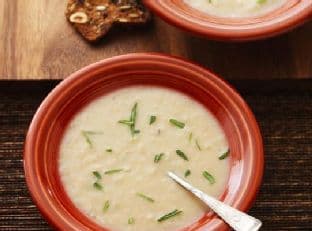
Tuscan White Bean Soup with Olive Oil and Rosemary
May be better tolerated with hypertension when prepared with the watch-outs noted on this page.
- Watch sodium in sauces, broths, cured ingredients, and seasoning blends.
View recipeRecipe from foodista.com via Spoonacular
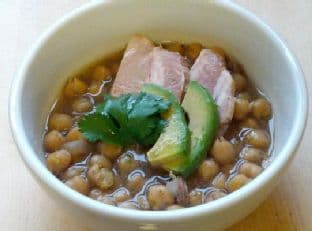
Slow Cooker: Pork and Garbanzo Beans
May be better tolerated with hypertension when prepared with the watch-outs noted on this page.
- Watch sodium in sauces, broths, cured ingredients, and seasoning blends.
View recipeRecipe from foodista.com via Spoonacular
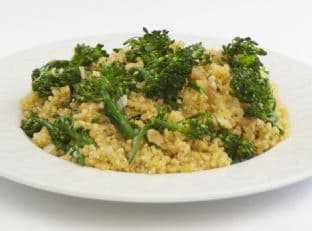
Broccolini Quinoa Pilaf
May be better tolerated with hypertension when prepared with the watch-outs noted on this page.
- Watch sodium in sauces, broths, cured ingredients, and seasoning blends.
View recipeRecipe from pickfreshfoods.com via Spoonacular
Low-Sodium Recipe Ideas for Hypertension
Evidence-reviewed
Managing sodium intake when cooking at home offers more control than dining out, where most restaurant entrees contain 1,500-3,000mg sodium (per clinical_protocols_deep). For those working toward lower-sodium eating, understanding where hidden sodium accumulates is the first step.
Packaged seasonings, broths, and condiments are often the largest sodium contributors in home cooking. Canned broths and bouillon cubes can contain 800-1,000mg sodium per serving, while a single tablespoon of soy sauce or Worcestershire sauce may add 900-1,000mg. Instead, build flavor through fresh herbs, citrus juice, garlic, ginger, vinegars, and spices like cumin, paprika, and black pepper. Homemade broths simmered from bones and vegetables allow you to control sodium entirely. When you do use packaged items, look for "low-sodium" or "no-salt-added" versions.
Cured and processed ingredients—bacon, ham, deli meats, anchovies, olives, and capers—are intentionally high in sodium for preservation. These can be used sparingly as flavor accents rather than main components. A small amount of anchovy paste or a few capers can deliver umami depth without dominating a dish's sodium profile.
Daily sodium targets vary by individual health status. Adults should aim for less than 2,300mg sodium per day, though some individuals benefit from lower targets around 1,500mg (per clinical_protocols_deep and dga_2025_2030). This means a single dinner entree should ideally contain fewer than 500-750mg sodium to leave room for other meals and snacks.
When preparing recipes, prioritize whole ingredients: fresh vegetables, legumes, grains, and lean proteins prepared without added salt. Season gradually and taste as you cook rather than relying on salt habit. Roasting vegetables with olive oil and herbs, grilling proteins with lemon and spices, and building grain bowls with fresh components all deliver satisfying meals within sodium limits.
Individual tolerance and preferences vary widely, so start by reducing sodium gradually rather than making drastic changes all at once. If you have hypertension or another condition affecting sodium needs, work with your healthcare provider or a registered dietitian to determine your personal target and to ensure dietary changes align with any medications you take.
Evidence sources (6)
- clinical_protocols_deep
Restaurant dining on the DASH diet (hypertension): The primary challenge is sodium — a DASH-adherent meal should contain <500-750mg sodium (to stay within 1,500-2,300mg daily), but most restaurant entrees contain 1,50...
- clinical_protocols_deep
DASH diet sodium targets: Standard DASH: <2,300mg sodium/day. Lower DASH (for greater blood pressure reduction): <1,500mg sodium/day. The DASH-Sodium trial demonstrated: Standard DASH alone reduces systolic BP by 6-11...
- dga_2025_2030
Older adults and restaurant dining (DGA 2025-2030): Challenges include large portion sizes relative to lower calorie needs (risking excess calories), high sodium content exacerbating hypertension risk, and difficulty...
- dga_2025_2030
Maintaining dietary pattern compliance when eating out (DGA 2025-2030): The DGA recognizes that eating out is part of modern life and focuses on making better choices within any setting rather than avoiding restaurant...
- dga_2025_2030
Sodium limit (DGA 2025-2030): Adults and children 14+ should consume less than 2,300mg sodium per day. Children 1-3: <1,200mg, 4-8: <1,500mg, 9-13: <1,800mg. Restaurant sodium reality: the average restaurant entree co...
- USDA FoodData Central SR Legacy
Spanish rice mix, dry mix, prepared (with canola/vegetable oil blend or diced tomatoes and margarine) (100g): 125 calories, 3.3G protein, 2.4G total fat, 22.7G carbohydrates, 1.5G fiber, 1.8G total sugars, 349MG sodiu...