
Type 1 Diabetes-Friendly Recipe Ideas
Recipe ideas with predictable carbohydrate counts to support insulin dosing, plus notes on protein and fat balance for steady glucose response.
Recipes

Chimichurri Skirt Steak with Grilled Asparagus
Aligned with a low carb pattern. See the guidance below for common ingredient watch-outs.
- Estimate carbs precisely for insulin dosing; mind delayed rise from high-fat dishes and pair carbs with protein and fiber when possible.
View recipeRecipe from foodista.com via Spoonacular

Chicken Suya
Aligned with a low carb pattern. See the guidance below for common ingredient watch-outs.
- Estimate carbs precisely for insulin dosing; mind delayed rise from high-fat dishes and pair carbs with protein and fiber when possible.
View recipeRecipe from afrolems.com via Spoonacular

Salmon Confit with Lemongrass Sauce
Aligned with a low carb pattern. See the guidance below for common ingredient watch-outs.
- Estimate carbs precisely for insulin dosing; mind delayed rise from high-fat dishes and pair carbs with protein and fiber when possible.
View recipeRecipe from foodista.com via Spoonacular

Stuffed Salmon With Tomato-Olive Tapenade
Aligned with a low carb pattern. See the guidance below for common ingredient watch-outs.
- Estimate carbs precisely for insulin dosing; mind delayed rise from high-fat dishes and pair carbs with protein and fiber when possible.
View recipeRecipe from foodista.com via Spoonacular

Steak Salad with Chimichurri Sauce
Aligned with a low carb pattern. See the guidance below for common ingredient watch-outs.
- Estimate carbs precisely for insulin dosing; mind delayed rise from high-fat dishes and pair carbs with protein and fiber when possible.
View recipeRecipe from Foodista via Spoonacular
Attribution
Publisher credit: Foodista.com – The Cooking Encyclopedia Everyone Can Edit
Creative Commons Attribution 3.0 license means the publisher allows reuse when the recipe is credited.
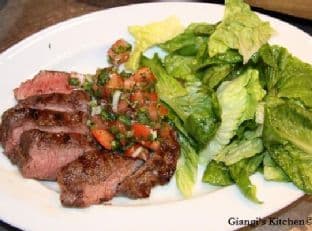
Flank Steak with Herbed Salsa
Aligned with a low carb pattern. See the guidance below for common ingredient watch-outs.
- Estimate carbs precisely for insulin dosing; mind delayed rise from high-fat dishes and pair carbs with protein and fiber when possible.
View recipeRecipe from foodista.com via Spoonacular

Pork Chops with Garlic Cream
Aligned with a low carb pattern. See the guidance below for common ingredient watch-outs.
- Estimate carbs precisely for insulin dosing; mind delayed rise from high-fat dishes and pair carbs with protein and fiber when possible.
View recipeRecipe from Foodista via Spoonacular
Attribution
Publisher credit: Foodista.com – The Cooking Encyclopedia Everyone Can Edit
Creative Commons Attribution 3.0 license means the publisher allows reuse when the recipe is credited.
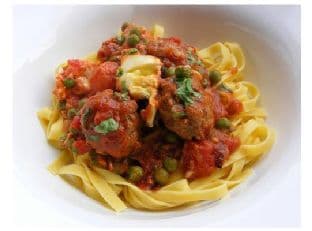
Lamb Tagine Stew
Aligned with a low carb pattern. See the guidance below for common ingredient watch-outs.
- Estimate carbs precisely for insulin dosing; mind delayed rise from high-fat dishes and pair carbs with protein and fiber when possible.
View recipeRecipe from foodista.com via Spoonacular
Type 1 Diabetes-Friendly Recipe Ideas
Evidence-reviewed
Type 1 diabetes meal planning centers on matching carbohydrate intake to insulin dosing. The foundation is precise carbohydrate counting, since management relies on your individual carbohydrate-to-insulin ratio—typically around 1 unit of insulin per 10–15 grams of carbohydrate, though your ratio is personalized (per clinical_protocols_deep). This means knowing the carbohydrate content of your meals is essential for effective blood glucose control.
Most adults with type 1 diabetes aim for roughly 45–60 grams of carbohydrate per meal, though your target may range from 30–75 grams depending on your medications, activity level, and individual response (per clinical_protocols_deep). When planning dinners, focus on recipes where you can measure or estimate carbohydrate amounts reliably. Lean proteins, healthy fats, and non-starchy vegetables form a predictable base; adding a measured portion of grains, legumes, or starchy vegetables lets you calculate your insulin dose with confidence.
Fiber plays an important role in glucose response. Dietary fiber slows carbohydrate absorption and supports better glycemic control (per clinical_protocols_deep). Aim for at least 25–30 grams of fiber daily, with soluble fiber sources like oats, barley, and legumes offering particular benefits. When you include fiber-rich carbohydrates in your dinner—such as beans, whole grains, or vegetables with skin—the carbohydrate impact on blood glucose may be more gradual, though individual responses vary.
Pairing carbohydrates with protein and fat can help moderate glucose swings. A balanced dinner might combine a measured carbohydrate portion (your counted grams), a protein source, and healthy fat, rather than carbohydrates alone. This approach supports steadier post-meal glucose levels.
Remember that triggers and tolerances are highly individual. What works for one person with type 1 diabetes may differ for another. Start conservatively with new recipes—measure portions carefully, count carbohydrates precisely, and monitor your glucose response. If you're uncertain about carbohydrate estimates or how a meal affects your blood sugar, discuss your meal plan with your healthcare team or a diabetes educator. They can help you refine your carbohydrate targets and insulin ratios based on your actual glucose patterns.
Evidence sources (6)
- clinical_protocols_deep
Type 1 vs Type 2 diabetes — dietary management differences: Type 1 diabetes (T1D): Management centers on carbohydrate-to-insulin ratio (typically 1 unit insulin per 10-15g carbohydrate, individualized). Precise carb c...
- clinical_protocols_deep
Fiber and diabetes management: Dietary fiber slows carbohydrate absorption and improves glycemic control. ADA recommends at least 25-30g/day (ideally 14g per 1,000 calories). Soluble fiber (oats, barley, legumes, psyl...
- clinical_dietary_kb
Diabetes dietary management focuses on blood glucose control through carbohydrate management. Key principles: consistent carbohydrate intake at meals (45-60g per meal for most adults), emphasis on complex carbohydrate...
- clinical_protocols_deep
Diabetes carbohydrate management — quantitative guidance: Typical carbohydrate targets are 45-60g per meal for most adults with diabetes, though individualized targets range from 30-75g per meal depending on medicatio...
- clinical_protocols_deep
Restaurant dining with diabetes — practical guidance: Carbohydrate estimation for common restaurant items: bread basket (1 roll = 15-25g), rice (restaurant serving 1-2 cups = 45-90g), pasta (restaurant serving 2-3 cup...
- USDA FoodData Central SR Legacy
Nutritional supplement for people with diabetes, liquid (100g): 88 calories, 4.4G protein, 3.1G total fat, 11.9G carbohydrates, 2.2G fiber, 2.6G total sugars, 92MG sodium. Key micronutrients: iron 2.0MG (11% DV), magn...